
Simple Recipes for Healthy Eating at Home
Discover practical, evidence-based recipes and cooking techniques that make nutritious eating accessible to everyone. Our editorial team brings you weekly meal inspiration, ingredient guides, and kitchen wisdom to transform the way you cook.
The information on this site is for educational purposes only and does not constitute medical advice. Always consult a qualified healthcare professional before making health decisions.
Quick Wins with Healthy Cooking
Nutrient-Dense Meals
Learn how to maximize vitamins and minerals in every meal through smart ingredient selection and preparation methods.
Time-Efficient Cooking
Discover meal prep strategies and quick recipes that fit busy schedules without sacrificing nutrition or flavor.
Ingredient Knowledge
Understand the nutritional profiles of common foods and how to combine them for balanced, satisfying dishes.
Cooking Techniques
Master fundamental cooking methods that preserve nutritional value while enhancing taste and texture.
Visual Recipe Inspiration Showcase
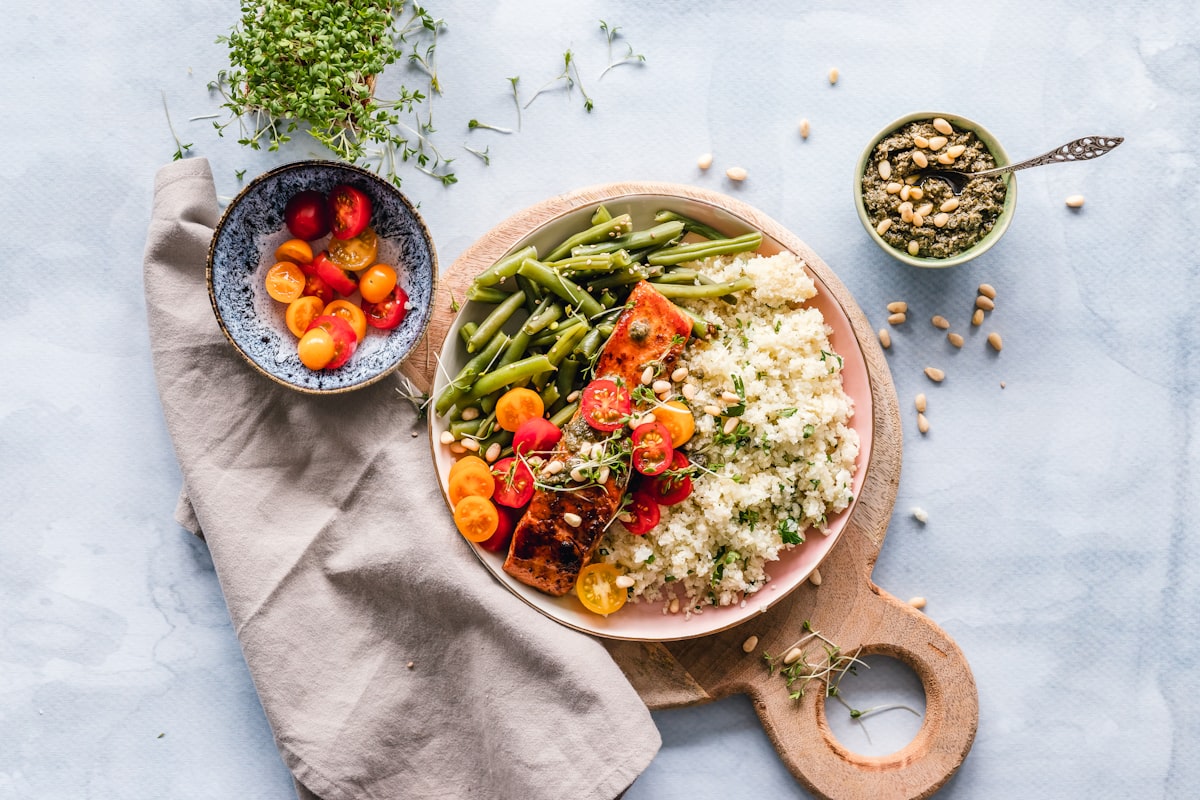
Mediterranean Quinoa Bowl
A colorful, nutrient-packed bowl featuring whole grains, fresh vegetables, and heart-healthy olive oil dressing.
View Recipe →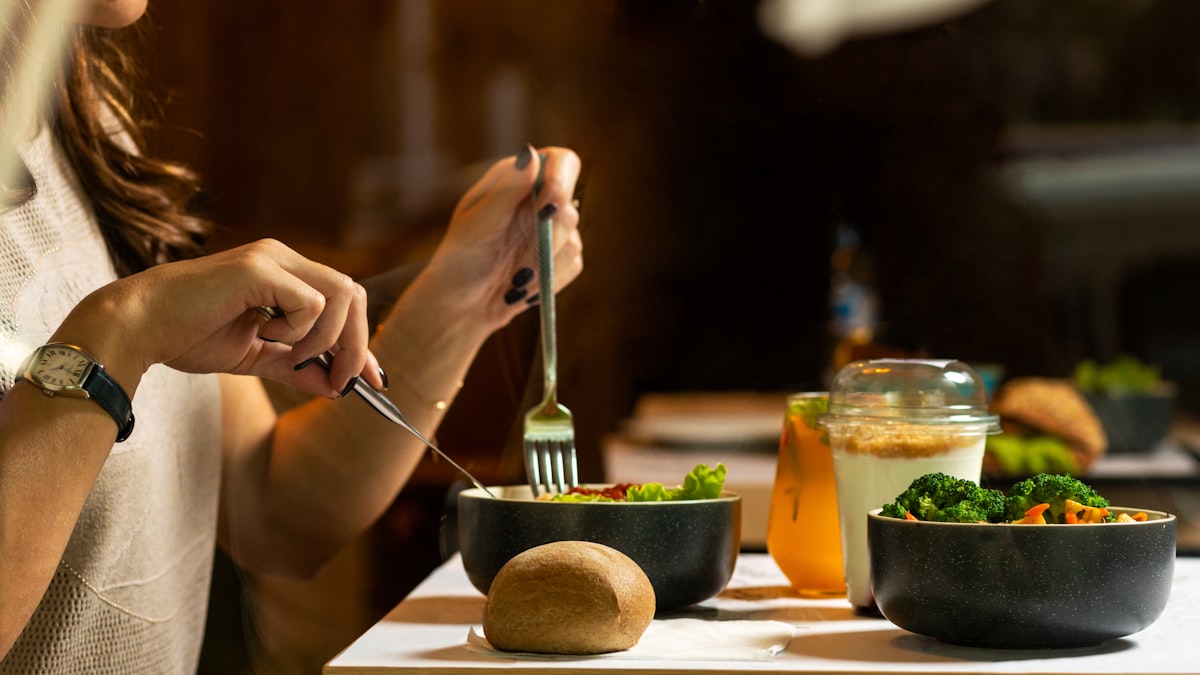
Herb-Grilled Salmon
Rich in omega-3 fatty acids, this simple yet elegant dish pairs perfectly with roasted seasonal vegetables.
View Recipe →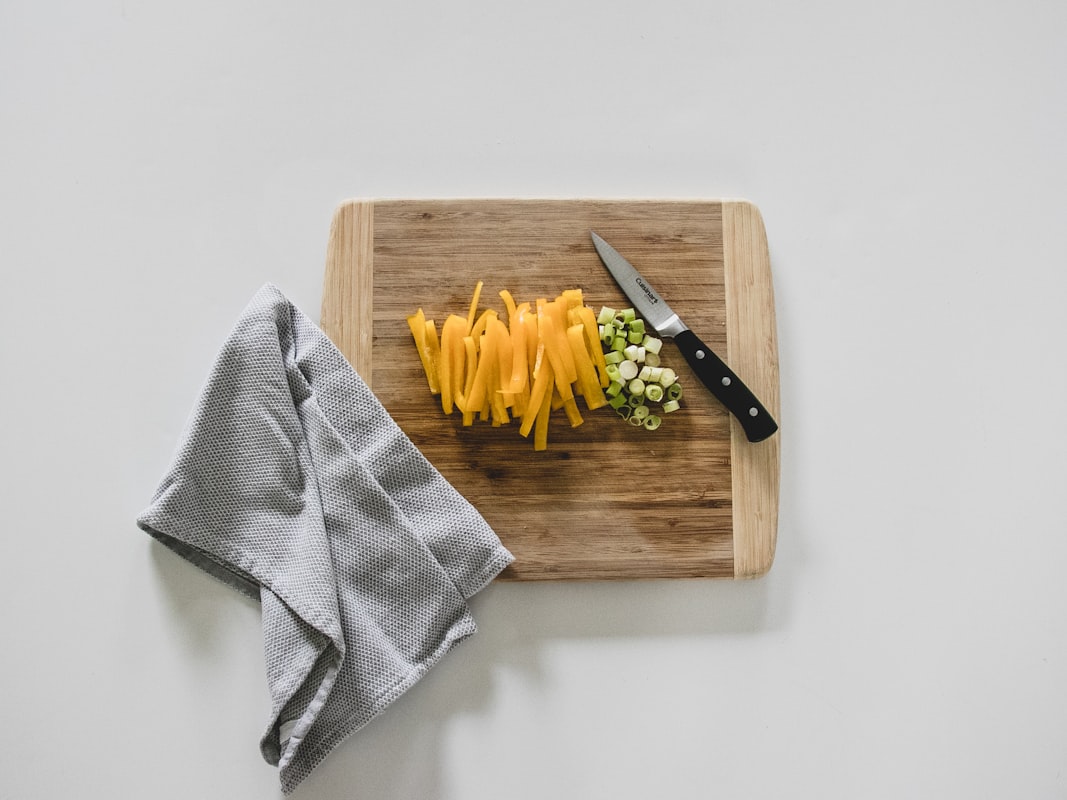
Chickpea Buddha Bowl
A plant-based powerhouse loaded with protein-rich legumes, leafy greens, and creamy tahini sauce.
View Recipe →
Antioxidant Smoothie Bowl
A breakfast favorite combining frozen fruits, Greek yogurt, and nutrient-dense toppings for sustained energy.
View Recipe →
Quick Vegetable Stir-Fry
A vibrant, fast-cooking meal that preserves the crisp texture and nutritional integrity of fresh vegetables.
View Recipe →
Warming Lentil Soup
A comforting, fiber-rich soup that showcases how simple ingredients create deeply satisfying, wholesome meals.
View Recipe →
Why Home Cooking Matters for Your Health
Cooking at home gives you complete control over ingredients, portion sizes, and cooking methods. When you prepare your own meals, you make intentional choices about what goes into your body, moving away from processed options laden with added sugars, excessive sodium, and artificial additives.
Beyond nutrition, home cooking reconnects you with food preparation as a mindful activity. It's an opportunity to develop practical skills, experiment with flavors, and even share the experience with family and friends. The knowledge you gain about ingredients and techniques becomes a lifelong resource for making nourishing choices.
Our editorial approach focuses on demystifying healthy cooking. We break down nutrition science into practical guidance, show you how to read ingredient labels, explain food combinations that enhance nutrient absorption, and provide recipes that prove healthy eating can be both delicious and straightforward.
Learn More About Our ApproachFeatured Healthy Recipes This Week
Complete Plant-Based Protein Bowl
Discover how to combine legumes, whole grains, and vegetables to create a complete protein profile. This article explains amino acid complementarity and provides three recipe variations.
Read Full Article →
Mastering Whole Grain Cooking
Learn the proper techniques for cooking quinoa, farro, barley, and other whole grains to maximize texture and nutritional retention. Includes storage tips and meal prep strategies.
Read Full Article →
Cooking Seasonal Vegetables Right
Our seasonal produce guide explains which cooking methods preserve the most nutrients for different vegetables. Roasting, steaming, sautéing—each has its place in healthy cooking.
Read Full Article →Common Questions About Meal Prep
Most prepped meals remain safe for 3-4 days when stored in airtight containers at temperatures below 40°F (4°C). Raw vegetables in water can last up to 5 days, while cooked grains and proteins should be consumed within 3-4 days. Freezing is an excellent option for longer storage—many prepared meals maintain quality for 2-3 months when properly frozen. Always use proper food storage containers and label items with preparation dates.
Glass containers with airtight lids are ideal for meal prep as they don't absorb odors, resist staining, and are microwave and freezer-safe. Plastic containers are lightweight and portable but may degrade over time and absorb flavors. Stainless steel containers work well for dry foods and packed lunches. Avoid storing acidic foods in reactive metals. Invest in a few high-quality containers rather than numerous disposable ones—they're economical and environmentally responsible.
Yes, both cooked grains and proteins freeze well. Allow them to cool completely before freezing to avoid condensation. Portion them into individual containers or ice-cube trays for convenient single-serving use. Cooked chicken, fish, beans, and lentils all freeze successfully for 2-3 months. Grains like rice, quinoa, and pasta maintain good texture when frozen. Thaw overnight in the refrigerator or use the defrost setting on your microwave. This approach allows you to prepare larger batches when time permits and use them throughout the week.
Store salad components separately and assemble just before eating. Keep dressings in small containers and add them moments before consumption. Layer salads with heavier vegetables and proteins on the bottom, delicate greens on top. Line containers with paper towels to absorb excess moisture. For grab-and-go meals, pack dressing on the side or consider hearty salads with roasted vegetables and grains instead of delicate greens. Alternatively, prep mason jar salads with dressing at the bottom, then vegetables, proteins, and greens layered above—simply shake before eating.
Meal prep involves preparing individual components that you combine throughout the week—cooking proteins separately, chopping vegetables, cooking grains, and assembling them into different meals daily. Batch cooking means preparing complete finished meals that are ready to eat. Meal prep offers more variety and flexibility, allowing you to create different combinations, while batch cooking maximizes time efficiency. Many people combine both approaches: batch cook a few complete meals plus prep components for the remaining days of the week.
Stories from Our Healthy Cooking Community
I never thought I could enjoy cooking healthy meals until I discovered this approach. The recipes are straightforward, the ingredient explanations make sense, and I've genuinely started to look forward to meal prep. My energy levels have noticeably improved, and I'm no longer spending money on processed grab-and-go options. This has become part of my weekly routine.
Elena M., Iași
What impressed me most was how the editorial team breaks down nutrition science in a way that actually makes sense. I'm not a dietitian, but after reading several articles, I understand why certain food combinations work well together. The recipes don't require exotic ingredients, which means I can shop locally and adapt based on seasonal availability.
Cristian T., Cluj-Napoca
As a busy parent, I need meals that are quick but still genuinely nourishing. These recipes have been a lifesaver. My kids actually enjoy the food I'm preparing now, and I feel confident that they're getting proper nutrition. The meal prep articles have saved me hours every week, and the storage tips mean less food waste in our household.
Mihaela L., București
The thing I appreciate most is that this isn't about restrictive eating or complicated rules. It's genuinely about understanding food and cooking in a way that works for real life. I've tried many other resources, but this editorial approach feels honest and practical. The community aspect is wonderful too—I'm learning alongside others who share the same goals.
Adrian P., Brașov
Join Our Weekly Recipe Newsletter
Receive thoughtfully curated recipes, ingredient guides, and cooking insights delivered directly to your inbox every week. No spam, just practical content to transform your kitchen.
We respect your privacy. Unsubscribe anytime. No third-party sharing.